Suspension Aftercare
The act of suspension is intense and unique. Every person will have a different experience during their suspension and it is common to feel a wide range of emotions. After your suspension, you will likely feel drained or tired. All of this is very normal, and to be expected. If you need to talk, or if you have any concerns about your wounds or general health post-suspension, feel free to reach out at any time.
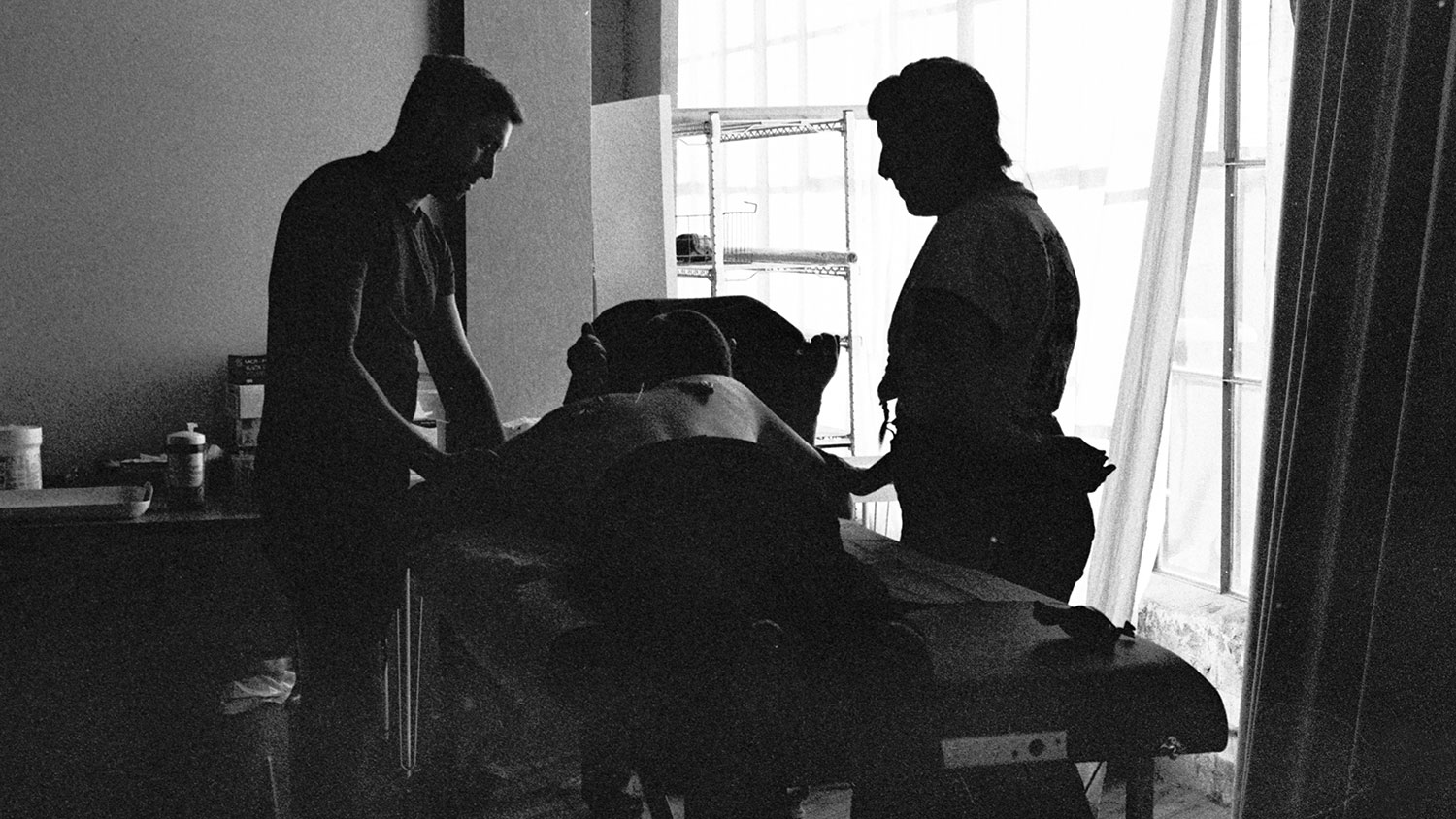
General Care
-
Keep your bandages on for the remainder of the day. We recommend leaving them on overnight if possible, and removing them while taking a shower the next morning.
-
After removing bandages, wash the wounds gently with soap and water. Gently pat wounds dry with a clean towel. Re-bandaging is recommended if you are still bleeding, but otherwise optional.
-
Expect some bleeding and sleep on a towel for the first couple of nights if you are concerned about staining sheets with blood.
-
Scabbing: Scabs will form around a week following your suspension. Let scabs heal naturally and avoid picking at them to reduce the risk of infection.
-
Scarring: Everyone scars differently, and some scarring should be expected. Let scabs heal naturally and avoid picking at them to prevent further scarring.
-
Subcutaneous Emphysema: You may experience air trapped beneath your skin, which can create a cracking or popping sensation when you move your joints or press on the skin. Please do not be alarmed — this is a normal and generally harmless occurrence. The air can sometimes move quite a distance from your wounds. It may cause mild muscle soreness. Gentle massaging may relieve any discomfort but it will go away on its own within 1-2 weeks. After you suspend, we will massage as much trapped air out as we can before bandaging your wounds.
-
Keep your wounds clean and dry, especially until scabs fully form. Do not go swimming, take baths, or otherwise submerge your wounds in water for an extended period of time for 1-2 weeks.
-
The healthier you are, the quicker you will heal! Stay hydrated, get some quality rest, and eat a good meal.
Mental Wellbeing
-
Some people report being physically or emotionally drained due to the intense experience of suspension. This is normal. It may be helpful to avoid stressful activities for 1-2 days afterward to give yourself space to process and relax.
-
It is not uncommon to experience a comedown following your suspension. This may occur as your body and mind adjust after the natural endorphin high that suspension can produce.
-
If you know you are prone to post-suspension comedowns, we strongly encourage planning some self-care activities for after your suspension. Taking these steps can help ease the emotional transition and support your overall wellbeing.
-
Stay hydrated, eat a nourishing meal, and get plenty of rest — all of these play an important role in supporting both your body and your mind.
-
If you find yourself feeling low or emotionally unsettled, please do not hesitate to reach out. We are here to support you and are always happy to talk.
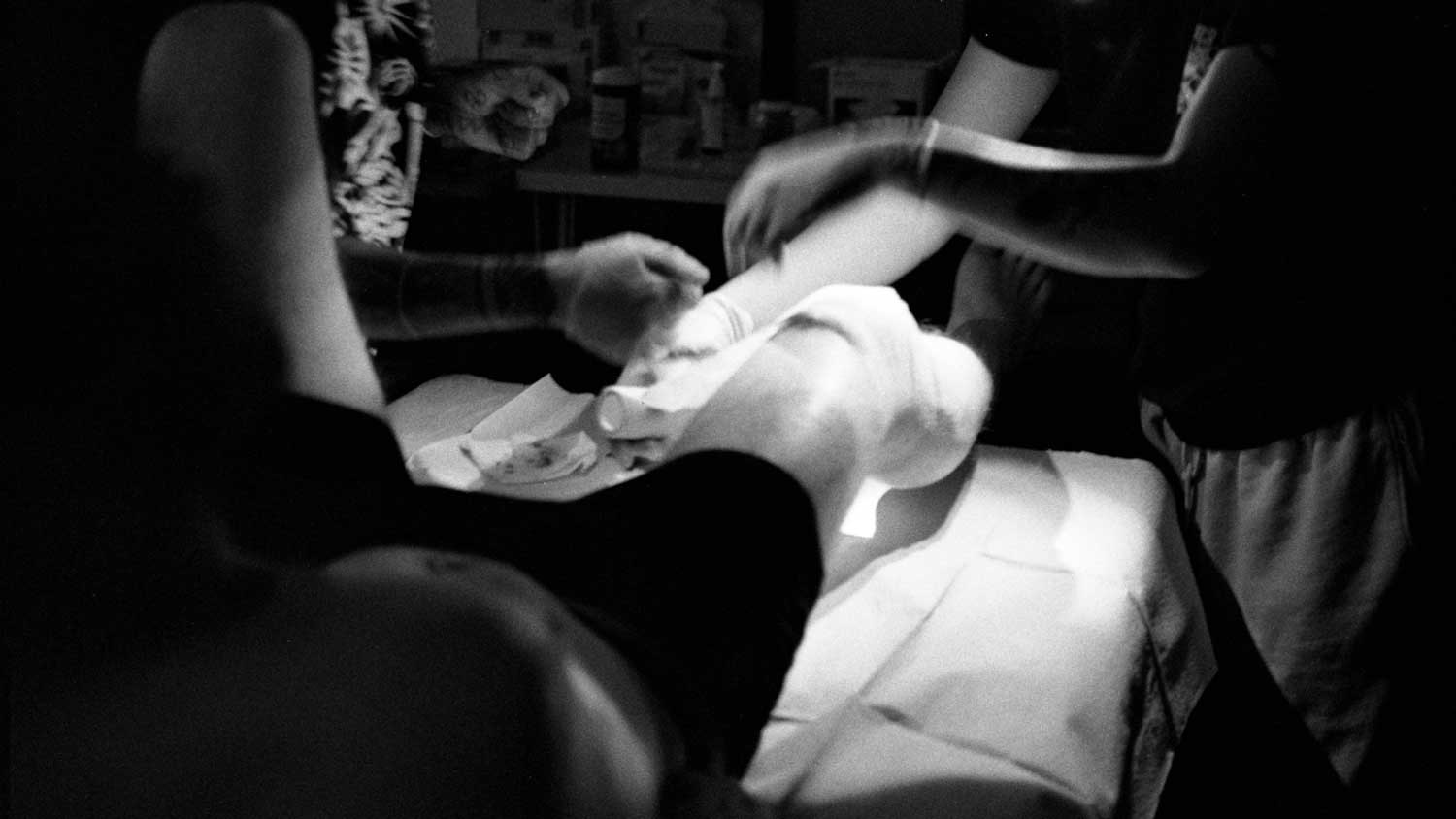
Resuming Physical Activities
-
Take it easy for the first 1-2 days. Gentle activities like walking or yoga are advisable if you feel up to it.
-
Avoid strenuous exercises and public water bodies for at least one week to prevent infection and promote healing.
Signs Of Infection
While we take many steps to minimize the risk of infection, mild infections can sometimes occur.
Signs of infection include:
- Fever within 48 hours
- Redness
- Swelling
- Increased pain
- Excessive or persistent ooze
- Pus or smelly discharge
If you notice any signs of infection — especially if symptoms worsen over several days — or have any other health concerns following your suspension, please seek medical attention by visiting your primary care physician, the nearest urgent care facility, or the nearest emergency department. Additionally, we encourage you to contact us so we can provide support and remain informed.